The Hit List: 20 Demos, Albums and EP’s You Need to Hear Right Now — March 21, 2016

The list this week is heavily representing Hit List veterans, and I couldn’t be happier to feature these artists again. Some of these albums and EP’s have been on almost permanent repeat for the last few months for me, and I’m only becoming more and more obsessed with them. But that doesn’t mean there isn’t some great new stuff to check out; there are still some new artists on the list today, many of whom released albums just in the last couple of weeks. This is a list for a sunny spring day, so if you’re looking for some energy-inducing music, have at it. As always, albums are in no particular order, so show all these incredible people some love!

1. Break Down The WallsBreak Down The Walls – 2016

a1176554633_16

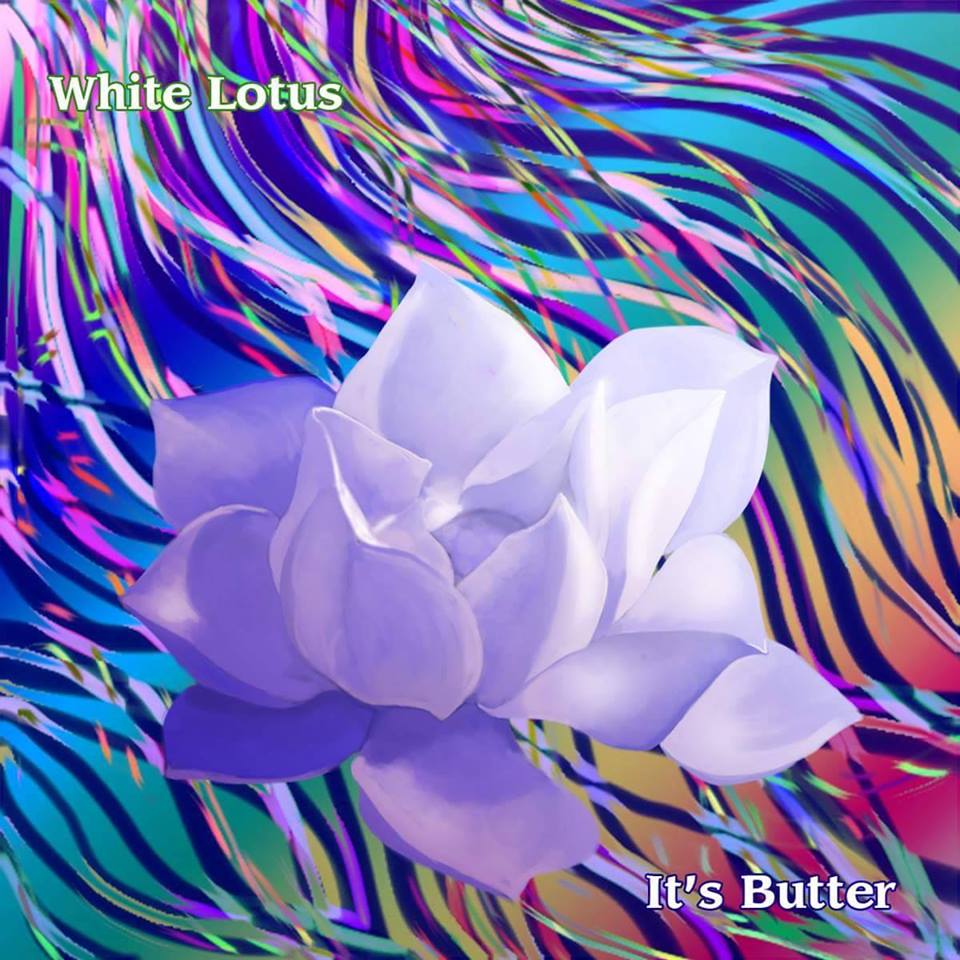
2. White Lotus – SingleIt’s Butter – 2015

1914088_1664725880468555_797439894987187218_n

3. The Parts We SaveHeel – 2016

12729010_1293330987349848_1106440133054845517_n

4. Eugenia EPDarla and the Blonde – 2016

a2573911246_16

5. Hardly Loaded EPPhantomHead – 2016

a2643529918_16

6. Welcome to the Whist Coast (EP)Whist – 2015

a0509869914_16

7. AlchemyAlchemy – 2013

alchemy_digital_album

8. Free RecoveryFree Recovery – 2015

a0165140886_16

9. Screech BatsScreech Bats – 2016

12764898_977824338969132_6112466179685560664_o

10. Good HangsLauren Patti – 2016

a3026102687_16

11. Muster PointJeeps – 2016

a3598822201_16

12. OmensThe Furies – 2015

a2017829147_16

13. RelentlessThe Nixon Rodeo – 2015

a0308159446_16

14. The Eternal SeaThe Eternal Sea – 2016

a2466588262_16

15. Five KitesFive Kites – 2016

a3539413199_16

16. Gaining PerspectiveGlory Days – 2016

a3697331310_16

17. I Talk to StrangersI Talk to Strangers – 2016

a0865780043_16

18. The Dowsers SocietyThe Dowsers Society – 2016

a3143869306_16

19. Mystic WomanPins & Needles – 2015

a2167571447_16

20. Red Bricks FactoryRed Bricks Factory – 2016

a0207609924_16

Takeaways from AngelList Radio’s Podcast with Tyler Willis and Jason Calacanis

Yesterday I listened to Tyler Willis have Jason Calacanis on the AngelList Radio podcast. Despite the fact that the episode was recorded a couple of months ago, I couldn’t stop listening to it. In fact, I was about halfway through it the second time when it occurred to me that I should take a few notes on it to summarize the incredible amount of information that Tyler and Jason discussed (it is an hour and a half long, after all).

Jason Calacanis; image courtesy of the AngelList Radio podcast

Jason Calacanis; image courtesy of the AngelList Radio podcast

The sheer amount of important information covered makes summarizing all of it challenging, but I’ll give it a try. I should note, though, before delving in, that some of the most poignant things covered were in the form of life stories and philosophies from Jason, a summarized transcription of which does not do them justice. To really soak up the underlying meaning of what’s listed below, you really need to listen to it for yourself. Possibly multiple times.

Moving along though. The points which Tyler and Jason hit can most aptly be placed within a number of areas of thought and consideration.  

These are:

  • People
  • Mentalities
  • Entrepreneurs and Founders
  • (Angel) Investing
  • Democratization

I’ll do my best to tackle each one of these, but keep in mind that these are just a few of the points which struck me as the most powerful. I will discuss some in more depth than others, as a number of them are self-explanatory.

People

Jason’s view of people in my mind basically splits into three main veins: human calculation, relationships, and arguably the most important one, empathy.

Human Calculation

This goes to “Jason’s Law of Angel Investing,” which according to Jason is: “I don’t need to know if the idea’s going to win, I [just] need to know if the person’s a winner.”

Jason looks for and reads the things that other people might miss: body language, personality, and interactive cues. As he mentions, he will talk about the [founder’s] idea through the lens of trying to figure out if [s/he’s] a winner or not. This sort of human calculation sets Jason up for the long game, something which he discusses as being a part of his overall strategy.

Relationships

Jason is extremely bullish on his relationships, wanting to be the first call a founder makes when things are going wrong, when the situation looks dire, or just when founders are having a hard time. He discusses understanding that being a founder is lonely, and sometimes all one needs is an ear to vent to; someone to “shoot the shit” with. Perhaps this goes back to Jason’s major in psychology; certainly his ability to read people and situations benefits from such a thought process. 

Life is relationships, pure and simple. Everything else is secondary, and Jason aspires to (almost obsessively) cultivate his relationships. (That’s a good thing, by the way).

This however, leads into what I consider to be one of the central theses of the discussion: empathy.

Empathy

Startups are hard. Actually, that’s a lie; startups are fucking hard. And sometimes the best thing is when someone will just sit and listen while you vent and fume for a little while. Loneliness kills, and having a friendly ear can make all the difference on those tough nights.

One quote seems to capture what Jason’s mentality would be during those nights on the phone with a founder having a hard time: “When I invested in you, I knew the odds were against you, and I still believed in you.” That pretty much sums up all that needs to be said.

Jason’s philosophy of accomplishing close relationships simply by being a nice human being—“buying [the founder] a cup of coffee, buying them dinner, or just saying ‘I believe in you’”—is exactly how I see the world as well. Cultivating relationships means doing what you can for other people because you can do it, not because you see some reward at the end of the tunnel. In the long run, good relationships do tend to reward people in often unexpected ways, but that should never be the crux of the relationships. Relationships are empathy and positivity. It’s about being magnetic.

Mentalities

Within the context of mentalities, Jason hits on a number of notions, though the one that sticks out to me the most is his focus on the “journalistic mentality.” Clearly a holdover from his time as a journalist, Jason discusses how he looks for people who exhibit great journalistic skills: an inquisitive mind, good communication skills, and being able to read situations well. In many ways, this connects with a lot of his poker metaphors. (There are lots of poker metaphors).

As he points out: “What happens when you interview [people] for a long time is you start to understand when they’re full of shit and you start to tell…who’s full of greatness…” Bluntly put, this is very true. I experienced it a lot during my time as a music journalist, speaking with artists and other industry professionals. Being a journalist is one of the best ways you can get to know the industry you want to be in.

“[A journalist] equals an inquisitive person who can communicate well.”

Entrepreneurs and Founders

Jason spends a lot of time talking about how he identifies great founders and what anyone should be doing and/or thinking about if they want to be an entrepreneur.

Know “Why”

First and foremost, know “why.” Why are you doing this, what is the underlying reason?

For Jason, answers like “the market seems open” or “I wanted to try being a founder” don’t cut it. It speaks to the authenticity if a founder is doing it for a larger reason than just trying to take advantage of a particular market situation. There needs to be a certain inevitability to what they’re doing, and how they see the world (something which Chris Sacca has also touched on).

As Jason sees it, there needs to be a real sense of purpose in the founder(s), a mission: “The world needs to evolve in this way, and we have the solution, and we NEED to implement our solution to change the way the world works.”

Jason: “Really talented people tell you where the world is going, and then you get to be part of it. And then you get to help them launch the rocket.”

Don’t Screw Your Supporters

They need to have the integrity not to screw the people who supported them early on. This is exactly in line with a well-known adage in the music industry which I always quote: “For those who forget us on the way up, we’ll see you on the way down.” Don’t forget the people who made your rise possible.

Be a Punk

Founders need to be punks.

Ok so Jason didn’t actually use this word, but as I explained in my post here, that’s really the type of mentality he is describing when he articulates what he looks for in people.

Additionally founders need:

  • To have an armor; a relentless drive, and be relentlessly resourceful
  • Have maniacal execution skills
  • Unstoppable determination

(Angel) Investing

Jason relayed a lot of information about investing and investment strategy. He discussed a lot of his personal strategy as well as how new investors can get in the game and start to learn the ropes.

For the sake of time (and because a lot of this is fairly self-explanatory), here’s a rundown of what he discussed:

  • Tips (for Angel Investing)
    • Spread your bets
    • Start by making investments slowly over a year
    • Even if you lose money, you’ll learn something
    • Always try to learn before diving in head first
    • Join syndicates
    • Get in the game and start
    • Double and triple down on your best bets
    • Meet with founders as much as you possibly can
    • Play the cars of the best investor at the table if you’re new to investing
    • Do the work, be proactive
    • Play the long game
    • Be patient and learn
    • Financial performance will come; focus on a portfolio strategy
    • Investing is a fight/struggle
    • Don’t ever discount anybody
    • Make a 5-year plan
    • Pro-rata rights
    • You want the “difficult” people; these people “mix it up”
    • Focus on being the most valuable and helpful person to the founder
  • Need to Have
    • A comfort losing a lot of your money (which you invested)
    • A comfort with the “shitshow” realities of investing
  • Don’t Be an Investor If
    • You’re annoying
    • You’re a control freak/obsessive person
    • You can’t remain cool and calm
    • You can’t remain classy in the face of defeat
    • You can’t deal with bad news
    • You can’t be a mensch

As Jason articulated: “I have to be the most valuable [person] to the founders. [I ask myself,] ‘Am I doing the most for that person?’”

How did Jason get to this thought process? When he started investing he made a list of all the things he could do for founders to provide value to them. Then he did them.

Democratization

The last major point which Jason discusses is democratization. In this case, he’s referring to the democratization of knowledge and power, and how dynamics have totally shifted in the last 10 years, allowing for entrance into entrepreneurship for tons of people who previously had very little recourse.

Interestingly enough, as he’s discussing the democratization of knowledge which can be used for growth, development of new skills sets, and other such things, I’m just reminded of an article I wrote a few months ago on the democratization of music. True, Jason is describing a different type of democratization process, but the parallel works. In the same way that scarcity has become an obsolete mentality for music, so too has scarcity of startup and entrepreneurial knowledge become obsolete in the worlds of business and tech.

I said it once and I’ll say it again: scarcity is obsolete; democratization wins.

“[Entrepreneurship is] stumbling around in the dark room, fumbling around, until your hand hits the wall, and flicks on the light switch.” – Jason 

Jason also briefly touched on the differences he sees between his LAUNCH incubator and Y Combinator, but that’s a whole other discussion for another time.

All in all, the podcast was intriguing enough for me to listen to it twice all the way through, and then take notes on it for a post. I give it up to Tyler Willis for conducting a great interview, and look forward to a hopeful follow-up with Jason again.


If you enjoyed this, follow me on Twitter, where I talk tech, music, and funny junk 😀

Or, ya know, on that new Snapchat thing 🙂

CdhrnNSXEAEa2t1

The Hit List: 20 Demos, Albums and EP’s You Need to Hear Right Now — March 14, 2016

A lot of new releases on the Hit List this week! Many of these albums dropped just in the last week, and showcase just how hard these artists have been working. The list this week is a healthy mix of newcomers and veterans alike, and with strong representations from Canada, the U.S., U.K., and Australia among others, the community of artists and material just continues to grow exponentially. The collective artwork on this week’s list is also some of the coolest stuff I’ve seen lately, so props to the great graphic artists whose work is represented here. As always, albums are in no particular order, enjoy!

1. The Parts We SaveHeel – 2016

12729010_1293330987349848_1106440133054845517_n

2. Blue Room Revival – MooseKick – 2014

a4275346466_16

3. Alterhood – Alterhood – 2016

a3217298871_16

4. Us Kids – SingleChelsea Shag – 2016

12803096_10153489060027945_4271817854599224934_n

5. Muster PointJeeps – 2016

a3598822201_16

6. Softspoken Woman – SingleUtena – 2016

12814648_1572956849691100_4073527264185029698_n

7. BlackSuan – 2016

a0731599391_16

8. Departure from VenusROMP – 2016

a0171391450_16

9. Mystic WomanPins & Needles – 2015

a2167571447_16

10. RE:saudade – .gif – 2015

a2042713291_16

11. EDGESJocelyn & Chris Arndt – 2016

a1703865152_16

12. Live SessionIcarus Dive – 2016

a3676317138_16

13. Fall In Love And Fall ApartThe Drive Home – 2015

a1947298061_16

14. Day OneFrom Ashes to New – 2016

a0260443426_16

15. Europe – Single – Mulligrub – 2016

Mulligrub-Soft-Grudge--640x640

16. Gaining PerspectiveGlory Days – 2016

a3697331310_16

17. Psychosoul EPShadow Culture – 2016

a0699266262_16

18. Nothing RemainsStill Phantoms – 2016

a1720332473_16-1 19. Show Me How to LiveWOES – 2016

a2968086008_16

20. The Lippies EP – The Lippies – 2016

a1189085417_16

The Hit List: 20 Demos, Albums and EP’s You Need to Hear Right Now — March 7, 2016

I love the new list today because it crosses a variety of genres. There’s a ton of synthe and electronic material on here today, and I’m loving all of it. Some of these tracks have a lofty, ethereal feel while other songs have that down and dirty alternative-punk sneer I dig so much. Spanning a plethora of geographies, the Hit List this week especially underscores the fact that area and Facebook-like count don’t matter; the only thing that matters is a sick riff and a great beat. ;D As always, albums are in no particular order, so hit these people up for a great set of music to start your week off!

1. Hit the AirBasic Land – 2016

a2682732415_16

2. In Requiem EPIn Requiem – 2016

a0320980472_16

3. Good DaysSkyline – 2016

a0007603069_16

4. Five KitesFive Kites – 2016

a3539413199_16

5. VectorsYeah Sure Whatever – 2016

a1649515922_16

6. Muster PointJeeps – 2016

a3598822201_16

7. Black – Suan – 2016

a0731599391_16

8. Press ReleaseThe King’s Aces – 2016

a2931109649_16

9. StonesCherry Water – 2016

a2364345222_16

10. Alterhood – Alterhood – 2016

a3217298871_16

11. Hound the World – SingleMobley – 2016

a1758467758_16

12. DeVoll EP – DeVoll – 2015

a0448005860_16

13. Mild Blood EPMild Blood – 2016

a3529402238_16

14. SweetMeat – The BlackLava – 2016

a3220774202_16

15. Abandoned HomesThe Aesthetic – 2016

a1922360043_16

16. RE:saudade – .gif – 2015

a2042713291_16

17. StargazeHiki – 2016

a0501875366_16

18. The World Never Dropped (EP)Ocean Jet – 2016

a0155722789_16

19. It’s Too Bright InsideLush Vibes – 2016

a1998902662_16

20. Jakarta EPNovember Kings – 2016

a2268556691_16

The Hit List: 20 Demos, Albums and EP’s You Need to Hear Right Now — February 29, 2016

It’s a leap year, so here’s a great Hit List today to rock out to! There are a bunch of awesome tunes this week to celebrate this super sunny day in Atlanta (for those of you still dealing with snow, you have my sympathies lol), so take a listen through the whole Hit List. We’ve got artists here from a ton of countries, including the U.S., Canada, U.K., Mexico, Japan, and the Philippines. I’m really digging a lot on the crunchy guitar riffs that the list is heavy with this week, so if you’re looking for something with a little edge, some of these artists might have exactly what you’re craving. As always, albums are in no particular order, so hit ’em all up!

1. Good DaysSkyline – 2016

a0007603069_16

2. AlchemyAlchemy – 2013

alchemy_digital_album

3. Hit the AirBasic Land – 2016

a2682732415_16

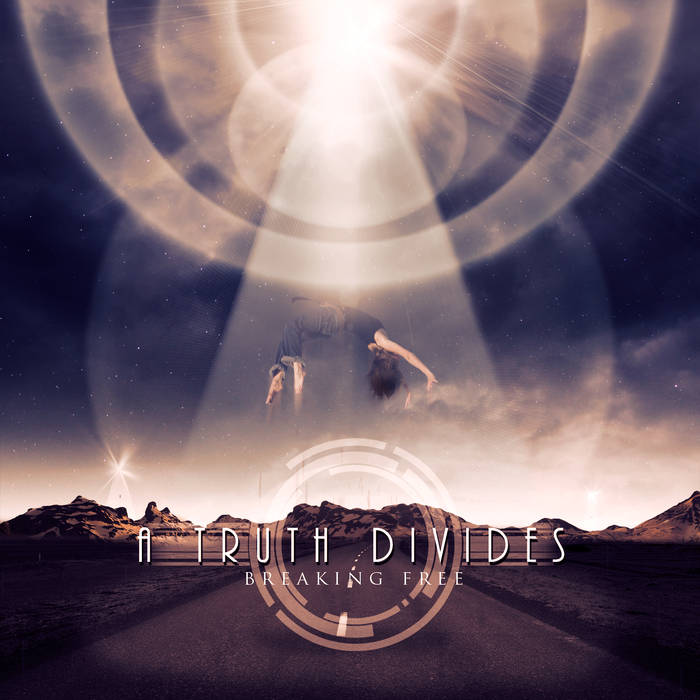
4. Breaking FreeA Truth Divides – 2016

a1106324655_16

5. Five KitesFive Kites – 2016

a3539413199_16

6. The Monday SpecialsThe Monday Specials – 2016

a3000734887_16

7. InburnInburn – 2016

a2748366475_16

8. Ropes EndRopes End – 2016

a3134658973_16

9. FRIENDZAn Oddity – 2016

a0827343823_16

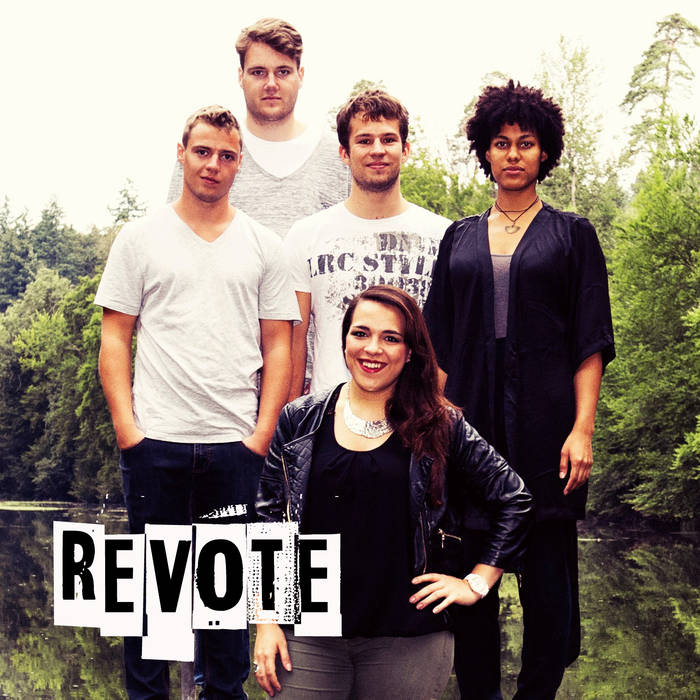
10. Debut Album – Revote – 2016

a3073767524_16

11. The Whisper GameThe Whisper Game – 2016

12767826_10153960467042010_1624938341_o

12. I Talk to StrangersI Talk to Strangers – 2016

a0865780043_16

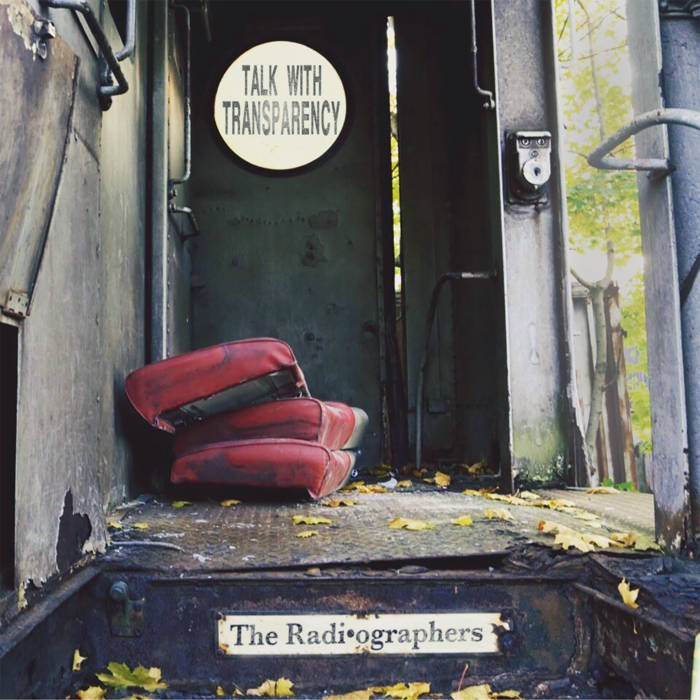
13. Talk with TransparencyThe Radiographers – 2016

a0224187176_16

14. VectorsYeah Sure Whatever – 2016

a1649515922_16

15. StonesCherry Water – 2016

a2364345222_16

16. Breathe – Iridesce – 2016

a1891262763_16

17. AngelHeroes – 2016

a4173242852_16

18. The Last Year EPThe Last Year – 2013

original

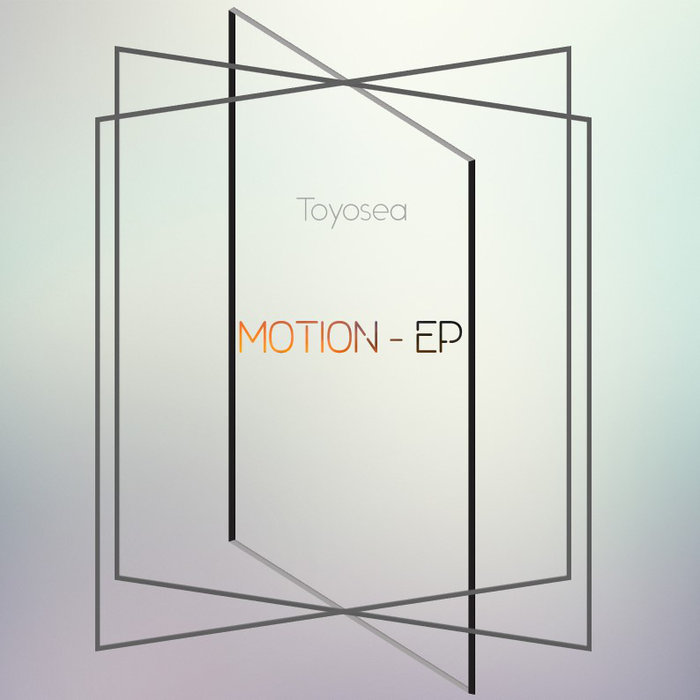
19. Motion – EPToyosea – 2016

a0271853004_16

20. The UndergroundCity Limits – 2016

a3151650769_16

Why Ignoring the Independents Means Thunderstorms for SoundCloud

SoundCloud logo

TechCrunch published a post recently, the premise of which was SoundCloud’s recent tapdance with major labels. The post discussed SoundCloud’s $35M in debt funding, and newly signed deal with Universal Music Group. The fact that the aforementioned funding was actually finalized last May notwithstanding, the piece concluded that the upshot of the whole situation is that SC would end up being worth more than rival Spotify. Here’s why that’s not exactly the case.

The Background: Courting the Mainstream Players

While the TC piece makes some astute points, its most important argument—that SoundCloud has the opportunity to become the YouTube of audio—doesn’t exactly stand on its own. SoundCloud has a major issue in that it’s caught in between two completely different paradigms—that of the independent and that of the major label—and doesn’t seem to know how to resolve those differences. Up until now, the ill-fated balancing act it’s been trying has been somewhat workable, but going forward it will be tenuous at best. As such, the real story here is how SoundCloud is evolving, and not in a way that is wonderful for the independent artists who have historically been its core constituency.

As SoundCloud moves further into the major label fold, it simultaneously does two things:

1) It resolves (at least for the moment) the issues which the music service is having with some of the labels over licensing and royalties. The new deal with Universal clearly comes with it an agreement that the label will drop any pending legal action against the service, as music will now be licensed directly to SC. (It does, however, do nothing for the mass of pending litigation  between Sony and SoundCloud, as the former is that last major label holdout to strike a deal with the service).

2) It effectively continues the alienation of the independents upon which the service has historically built its core and more loyal following.

Leaving the Core Content Base

To be clear, there’s nothing wrong with serving the mainstream. However, most every one of the major music companies already does that, leading to an already crowded crawlspace of competitors vying for mainstream supremacy. While the major music companies set their collective focus on mainstream material, the independent demographic is left languishing in the wind time after time. Initially, SoundCloud was an exception in this respect, cutting its teeth in the independent arena long before it signed deals with any of the major labels (starting with Warner Music Group last year). Since then, however, SC has been moving further and further away from the paradigm from whence it rose and closer towards the crowded party at the mainstream table.     

Screen Shot 2015-11-16 at 1.26.18 PM

The music pipeline

While SC battled other services for mainstream consumers, it had for a while been the favorite among independents and underground artists looking to cultivate their fanbases from the ground up. Even Alex Moazed in his guest TC piece acknowledged that this is what makes SC win: the fact that this is where the content stream starts for a lot of new artists (a rapidly growing demographic) and where they begin to build their initial fanbases and cultivate their followings. That SoundCloud is not only moving away from that, but seemingly shunning it in the long run, is a palpable kick in the face for a lot of independents.    

VMmRj35

Growth of independent music between 2003-2012; image courtesy of Techdirt

What Moazed doesn’t address in his piece is exactly what I discussed last spring: why independent artists should essentially kiss SoundCloud goodbye, why their subsequent deal with the NMPA was irrelevant for independents, and ultimately why the precarious high-wire balancing act was leading them down a difficult path. Independent artists, unlike major label performers, are not locked into any required loyalty as a result of record label contracts. They can come and go as they please on any variety of services, and thus are free to explore any new ( and better) opportunities that might arise.

SoundCloud’s error in judgement here is assuming that the independent demographic (arguably its only real unique demographic of content producers) will stick around when the winds change, and the focus of the platform shifts to mainstream desires. Already there were grumblings in the independent underground when SC premiered its new layout early last year. The simple reality is that SoundCloud fundamentally cannot serve two masters (the independents and the major labels) because each is moving in an opposite direction, with desires and mentalities divergent of one another. Now, with the Universal deal, I see only one way SC can continue to struggle towards profitability, and that is in the major label direction.

That, however, presents another can of worms.

Money and Equity

As some have already pointed out (or could simply guess), the Universal deal could not have been cheap by any means, particularly as it meant Universal dropping its legal action against the music service. Furthermore, as Warner gained around a 5% stake of the company when it licensed its own catalogue, one can calculate that Universal settled for nothing less than a similar deal (likely pushing for more equity in order to drop the legal suit).

That’s a huge premium to pay for Universal’s recording and publishing catalogues, and doesn’t yet take into account all the royalties SC will now have to cough up on the backend. The real hard hitting numbers come when one imagines what Sony, the last major holdout, will demand for its material. Seeing as it currently has legal qualms with SoundCloud, it’s conceivable that Sony could demand even more cash upfront and equity in order for access to its musical coffers. At a minimum, one could calculate the collective equity of the major labels to total somewhere around 15%—at a minimum.

Though not listed specifically, the chart below gives one a good idea of where SoundCloud will inevitably fit within the royalty paradigm, and just how much friction it will cause between both the service and artists, and the service and the labels. Two different (divergent) interests make for a massive headache in the long term for SoundCloud.

1276-music-streaming-services-compared_Sep152

Royalty rates, minimum wage, and reality; image courtesy of informationisbeautiful.net

This may seem like a paltry price of doing business until one considers the fact that the relationship dynamic is not an equal one: the major labels hold the keys to the material which SoundCloud wants (and desperately needs, in order to win the mainstream game), but are not equally in need of SoundCloud itself. They similarly license the same material to a variety of competing music services, and essentially can dole it out to the highest bidder, through contracts which then become renegotiable every few years. Thus, SoundCloud (and others) are beholden to the major labels for their lifeblood, but the opposite is not true. SoundCloud has entered into a paradigm that’s nearly impossible to backtrack from. They’re tying their own concrete shoes.

Operating in the Red

All of this firmly underscores the uncomfortable news recently that SoundCloud took a $44M hit in 2014, making their raise of the above-mentioned $35M almost irrelevant. That the raise of the $35M in debt financing will essentially have to go to cover SC’s 2014 losses must be a bitter pill for investors to swallow, particularly as much of their customer base uses the service for free. The simple truth, as it appears to be, is that SoundCloud is hemorrhaging money with no clear path to take to fix things, either quickly, or in the long term. That being the case, it’s fairly probable that SoundCloud will need to start raising another round of money somewhat soon, even if it’s just to weather its current storm.

Screenshot-2016-02-09-at-23.05.39

SoundCloud losses (in Euros); image courtesy of Music Business Worldwide

And then there’s this, the Reddit thread that must be the most painful thing for SC right now. Titled “SoundCloud could close after $44m losses,” the thread spent a few nights recently blowing up, and had an upvote-percentage of 96%. What does this mean in reality? It means a lot of people were reading this conversation, and the commenters are not wrong. In fact, many of them are quite astute and know exactly what’s going to happen:

Screen Shot 2016-02-12 at 2.36.30 PM

Screen Shot 2016-02-12 at 2.38.39 PM

These comments highlight the discussion going on regarding SoundCloud not only among its general consumers, but among the artists who create the content on which the service was built. It’s important to remember that before SC had any major label deals in place, it was doing quite well because of the huge influx of independent material coming in from independent artists and DJ’s. In moving further and further away from this core demographic, SoundCloud is quite aggressively biting the hand that feeds it. SoundCloud’s response to the Reddit thread was equally underwhelming and unpersuasive.

The loyalty of such independent artists is a complex thing; on the one hand, they aren’t tied to any one particular party, and thus their loyalty to any one service may be thought of as ephemeral. On the other hand, however, their loyalty has the potential to be ferocious and dogged if and when they find a service which works for them, in their favor. SoundCloud used to be that service, but it isn’t any longer. They’ve traded the long term loyalty of these smaller—but much more numerous—independent artists for the short term benefit of being able to peddle major label mainstream material. The same exact mainstream material which all their major competitors are already selling. They’ve traded the long term benefit of being unique for the short term “benefit” of being just like everyone else.

Short Term Gain, Long Term Loss

The big kicker though, is that SoundCloud didn’t start as Spotify of Apple Music did, with deals with the major labels. It doesn’t come from that part of town. It comes from the less expensive, more experimental street of independent artists, covers, and remixes. It blew up among independents long before mainstream listeners got wind of it, and now it’s moving away from those early adopters towards a more corporate clientele.

As far as I can see it, this is incredibly ironic: the independent music universe is just now starting to mature and expand rapidly, while the major label world is getting cramped and hideously expensive. Over the last decade, independent music has grown immensely while major label-signed content has actually decreased. Put simply, the number of expensive, mainstream artists which big music companies are fighting over is shrinking while the number of free and/or inexpensive independent artists is actually growing at an almost exponential rate. Insofar as the independent universe might not be as lucrative as the mainstream arena in the short term, it nonetheless is where the most growth is happening.

So where does all of this leave SoundCloud? In the short term, the Universal deal is a great breakthrough, and certainly will help them more aptly compete with Spotify and Apple. However, it’s clearly been overshadowed over the last few weeks by their financial woes and discussions of possible paths forward.

In the long term, though, they will end up dismissing the demographic and core base that made them special to begin with. Someone else will pick up that gauntlet and run with it, and that’s where the growing independent base will go.  

The Undeniable Hypocrisy of the Apple-Swift Saga

Image courtesy of Mirror

Image courtesy of Mirror

The Background

With Taylor Swift’s cleanup at the Grammys this year and attention over her misleading “victory” over Apple—and her subsequent partnership with the company—having waned (if not faded) over the last half year, it seems to be the appropriate time now to dissect what the fuck really happened back in July of last summer. Prior to the past few months when things seemed to have boiled down to a low simmer (focused mostly on SoundCloud and Spotify), the music news arena was blowing up over Taylor Swift’s push-back against Apple. Her open letter criticizing Apple, and subsequent statement that she would be boycotting the new music service—as she had done with Spotify—made it easy for the media to paint her as a martyr for “artists’ rights.” But that’s not the whole story. Not nearly.

When Apple announced early in June of 2015 that its new music service, aptly titled Apple Music, would not be compensating artists with royalties during the first three months of a user’s free trial period, there was significant push-back before Swift even got her letter out the door. The announcement was panned by the general music community, as well as by both artists within the mainstream paradigm, and the broad base of independents. When Apple retracted the statement and replaced it with a “fine, we’ll pay artists for the three-month trial period,” artists felt that they had won a major victory against the tech giant. Many even felt that Swift spoke up for them and that they benefited from her desire to help the general music community. Here’s why that’s wrong.

A Misleading “Victory”

Numerous sources reported on Apple’s recanting and Swift’s “victory,” from TechCrunch to Forbes to Mashable. But it wasn’t that at all. The retraction by Apple was telling of a much larger trend at play (and frankly, a much larger problem for independent artists which they should be focusing on). Swift made the same stink that she did when she “broke up” with Spotify, drawing on arguments like “artists shouldn’t give anything away for free” and her favorite “art needs to be rare to be valuable.” Soon after, Apple caved and said artists would be paid, and everything ended happily ever after.

Not.

While I wholeheartedly agree with Swift that artists shouldn’t have to give away their music for free if they don’t want to (as opposed to Swift’s catch-all “no free music ever/free music devalues your art” blah blah blah), I don’t think her motives are as angelic and altruistic as they might initially appear. People should be asking why exactly Swift made such a big fuss over this. Why? Because it really cuts into her bottom line. A bottom line that many of the independents she somewhat claims to “speak for” don’t have. Their economics are a very different reality from hers. Swift lives in a completely different universe, and no, as Matt Atkins wrote in a great Medium post , she is not an “independent artist.” Her signing to Big Machine Records makes her seem more independent than she really is; make sure you remember that she owns a huge stake in Big Machine, and that it’s distributed by Universal Music Group. So no, Swift doesn’t see it from the same perspective as that of an indie band in the garage in Ohio just trying to scrape by.

If an Independent Tried to Strong-arm Apple…

This doesn’t make Swift a bad person; it simply makes her human in looking out for her own best interests. At the time, that aligned with the best interests of the general music community. But people should not confuse happenstance with correlation.

Swift was able to strong-arm Apple into changing its position on paying royalties for the free trial period, and I commend her for that. But I can pretty much offer a dead guarantee that if it had been an independent artist who took to Twitter to complain (and many did, mind you) or write to Apple, nothing would happen. I’m not even sure they would receive a response email addressing their grievances. The fact that their position changed as a result of Swift’s vocal stance was a sheer coincidental benefit for the independent music community.

Artists who are not on Swift’s level (that is to say, most artists in the world) should be asking what could and would happen if and when their best interests don’t line up with hers. (Never mind the fact that Apple completely screwed up an independent artist’s entire catalogue upon Apple Music’s release). The moniker of Swift as “the Apple-Slayer” was nice and poetic, but all the more misleading. It painted Swift as the David to Apple’s Goliath, but that’s on a whole incorrect. Swift is just as much a Goliath as Apple is, and that’s precisely the reason that Apple caved to her in the first place. Had she been the David-level artist she parades around as (and which most independents actually are), she most likely would have been roundly ignored, as most independents usually are. When Apple caved, it was a good week for all artists. But what happens when Swift decides that what’s best for her is to choke the radio market and keep out other artists who might be stepping on her musical toes? I can’t imagine that she wants to give up any of her power.

It’s All About the Power

And that’s exactly what it’s about: the power. Swift has the power to turn heads and make things happen the way she wants. But that could be very bad for other up-and-coming artists. Swift, ironically, has become yet another gatekeeper, akin to the ones she so readily criticizes. She’s signed to an “independent” label which is distributed by one of the Big Three labels (Universal), and she has the clout to mobilize legions of fans (when she’s not suing them, I suppose).

But what about her whole “anti-free” mentality? That’s directly at odds with a lot of the thinking within the independent music community, where artists increasingly see their music as a means of marketing, rather than an end commodity for sale. What happens when push comes to shove and she’s on the other side of the fence from the much broader—but much more unknown—independent music community? She will still have the power to push her agenda, and they will simply be more obstacles in her way.

The reality is that no artist, of any caliber or genre, should have the power to dictate changes like that. At the time, it worked out for the better, but next time will be another story.

Subsequent Partnership

All of this made the announcement of Swift’s subsequent partnership with Apple more confusing, and in some ways, harder to swallow. After all the stones that were thrown, and all the press that was garnered (a calculated effort, I’m sure), the end result was somewhat anticlimactic. We were all ready for a super showdown of a major mainstream artist (yes, that’s what she is, live with reality) bucking the system and sending a message for musicians everywhere. What we got was…well…predictable.

As soon as Apple caved, so did Swift. She caved to using the service when it turned out that her open letter would get her exactly what she wanted. That sounds logical, except for the fact that she pretty much abandoned the “Apple-Slayer” independent gauntlet when she stopped focusing on how the new service would be for non-mainstream artists, and just said “ok.” In so few words, it seems that Swift was content to “take the money and run,” so to speak. Her victory really wasn’t a victory for anyone who wasn’t seeing massive streaming or airplay already anyway, so let’s not treat it as one.

A Picture’s Worth a Thousand Words

Perhaps the most glaring result of Swift’s flirtatious battle with Apple, though, was the fallout over her own contracts. In the wake of her open letter, other types of creatives called her on her own hypocrisy, though this time, they weren’t musical artists: they were photographers. In an open letter of his own, professional photographer Jason Sheldon shined a light on Swift’s own hypocrisy in her company’s contracts with photographers at her shows. According to the Washington Post:

Swift’s management company, Firefly Entertainment, demands that photographers who shoot Swift’s concerts to do so on a “one-time-use” only basis and relinquish any rights to republish or sell their photos. Additionally, the contract states that Firefly has the “perpetual, worldwide right to use” the very same photographs in just about any way it sees fit, without compensating the photographer for their usage.

Wow, let’s just take a moment to let that sink in. Swift—the great “Apple-Slayer” and champion for artists’ rights and fair compensation—didn’t (doesn’t?) even feel that those same dynamics should apply when she’s the one who has to pay royalties. That’s pretty staggering.

As she wrote in her own Wall Street Journal op-ed piece, “Music is art, and art is important and rare. Important, rare things are valuable. Valuable things should be paid for.” Considering just how much Swift seems to think that “valuable art should not be free,” it’s fairly amazing that she doesn’t go out of her way to create the best working opportunities for other creatives. In fact, the only thing it does is make her an undeniable hypocrite. If she wants to sit on top of the mainstream and act in a holier-than-thou way, that’s fine, but she should at least be honest about it. She shouldn’t be parading around as some “champion for the independent artist” when clearly her actions say otherwise. It essentially negates everything she’s done to “bring attention to artists’ rights.”

Perhaps the most upsetting thing of all is that many were lulled into thinking that Swift is something that she’s not, including other artists, and independents in particular. This was akin to telling someone that they now had a spokesperson they could trust and count on to speak up louder than they could for their general rights, only to find out that person wasn’t nearly as altruistic as they initially appeared. Most frustratingly, though, it has the power to negate arguments made by others who really are looking to campaign for artists’ rights. Swift’s hypocrisy has the power to undermine other voices (ones who might not be as loud as hers), and to take the focus off the matters that need to be addressed.

(Legal) Iceberg Ahead

Even as the fallout from the Apple-Swift roiling seems to have unfolded months ago, so too was there something else on the horizon for Apple which spelled a different kind of trouble: monopoly. As the FTC subsequently sent out subpoenas to competing music services following its initial probe of Apple Music, attention began to focus again on the tech giant in a way that is less than flattering. The “war” which Spotify started last July with Apple seemed to spread to other areas of the collective music business conscience. Apple Music may not have been “doomed” as Tidal was (or seemed to be) upon its initial release, but it does have new things to take care of that other services don’t need to account for.

Perhaps the irony of the whole situation is that Apple’s legal issues regarding Apple Music really only surfaced after the service was announced and released. Inasmuch as Apple would like to pretend that it has enough money to push its way through to any opinion and finding that would benefit it, it still must contend with U.S. legal code, not to mention its own Terms of Service. Power and money notwithstanding, the outcome of the said legal issues won’t resolve super quickly.

In the End

In the end, the whole Apple-Swift saga that encompassed the end of last summer really wasn’t what people reported it to be. It won’t (and hasn’t) really resulted in a super-massive victory for independents beyond some news attention, and it actually served to highlight some dirty little secrets in Swift’s own business affairs. I don’t know if the saga is concluding or just in a lull itself, but I don’t think this “picture-royalty” thing is going to go away anytime soon. Now that the dam has broken, I bet we’re going to see many more creatives (photographers for sure) speaking up over the next year or so about their business experiences with Swift, and I don’t think they will all be positive.

As for Apple, it continues to chug ahead after the release of Apple Music, albeit in the shadow of the new FTC probes. Though the service boasts a few interesting features, few of them can really be described as “new” or “earthshaking.” While ex-BBC host and DJ  Zane Lowe likely made U.K. listeners happy on the new Beats 1 radio program, for us in the States he was a somewhat irrelevant “exclusive” for Apple to tout (simply because most Americans didn’t know who he was). If Apple really wants to set itself apart in the long term (10+ years), it’s really going to need to do better than a few exclusive names. I suppose we’ll see, but for the time being, the Apple-Swift saga has left a sour taste in my mouth that won’t be going away any time soon.

The Hit List: 20 Demos, Albums and EP’s You Need to Hear Right Now — February 22, 2016

I’m really kind of amazed at the number of Canadian artists on the list this week. There’s been a large influx of Canadian material coming out recently, and I’m super excited to see that it ranges in influence and sound. This week’s list if heavy on grunge and alternative-rock to reflect the rainy weather we’ve been getting here in Atlanta, but I I’m not complaining at all. ;D As always, albums are in no particular order, so hit every one of these people up!

1. Hardly Loaded EPPhantomHead – 2016

a2643529918_16

2. Calling for the CrazyThe Ballistics – 2016

a0379642148_16

3. ShadowboxVivienne the Witch – 2016

a3238750359_16

4. BlanksRock Eupora – 2016

a2484784751_10

5. ConsequencesDream State – 2015

EP_Cover_Artwork

6. FRIENDZAn Oddity – 2016

a0827343823_16

7. I Talk to StrangersI Talk to Strangers – 2016

a0865780043_16

8. Green – SingleFrown – 2016

a2988380864_16

9. AntsAnts – 2016

a1366200431_16

10. Ropes EndRopes End – 2016

a3134658973_16

11. Get FünkeDr. Beardface and the Spaceman – 2015

a3772310813_16

12. Bareknuckle Love – Freya Wilcox & The Howl – 2015

Bareknuckle Love

13. CairosCairos – 2014

a1979643881_16

14. Trapped Inside EPFaith in Casinos – 2016

a2253328134_16

15. Red CallingRed Calling – 2015

front coverfinal2

16. Crawl EPThe Science of Letting On – 2016

a1535449050_16

17. The Whisper GameThe Whisper Game – 2016

12767826_10153960467042010_1624938341_o

18. Inburn – Inburn – 2016

a2748366475_16

19. Sand in the SunThe Soles – 2016

a1140127117_16

20. FlourishHanover – 2016

a1270715602_16

The Hit List: 20 Demos, Albums and EP’s You Need to Hear Right Now — February 15, 2016

I’ll call the list this week a revisiting, because I’m just killin it to a bunch of artists who have made an appearance here before. I love listening to new music, and sometimes these albums stay fresh for a while, and you can just find yourself listening to them over the course of a month. Featuring artists from around the U.S., Europe, Asia, and more, I’m excited that the geography of the Hit List keeps expanding. Some of these artists I’ve seen play shows over the last few weeks and they rocked it ;D. As always, albums are in no particular order, so give them all a listen, and hit these great creators up for some more!

1. Yellow & Bliss – SingleHeel – 2016

12605374_1286768151339465_8244461745519605103_o

2. Blue Room RevivalMooseKick – 2014

a4275346466_16

3. BlanksRock Eupora – 2016

a2484784751_10

4. Double A-SideThe Mis-Made – 2016

a0839401698_16

5. MillipedesThe Head – 2015

12122893_10153794581513060_6732222226407156144_n

6. March in the Dark: Chapter TwoAnyone’s Guess – 2015

mitd2

7. Do You Feel Electric? EPMiss – 2015

a1797370056_16

8. The Black Album (EP)AggronumpH – 2015

a3728914741_16

9. ColourblindVideoman – 2015

a3153700778_16

10. Half MeasuresCross – 2015

a0847993486_16

11. StagesKopacetic – 2016

a2728269849_16

12. OMermaidens – 2014

a0908079551_16

13. Bear Essentials EPOne Trick Grizzly – 2015

a4256805095_16

14. Welcome to VanillavilleRedbloom – 2015

a2663624665_16-1

15. E.P.Neverhood – 2015

a2438108230_16

16. Cosmophonie EPCosmophone – 2016

a1977159592_16

17. MUTTMUTT – 2015

a1036297519_16

18. Art CapitalArt Capital – 2015

a1525106086_16

19. Torn UpSuch Great Heights – 2015

a2001484316_16

20. Forgotten BattlesA Thousand Shades of Cold – 2015

a0658116734_16

The Hit List: 20 Demos, Albums and EP’s You Need to Hear Right Now — February 8, 2016

I’m super excited for the new list this week because it’s such a great mix of material from newbies and Hit List veterans, underscoring just how massive the growing independent world is. I actually had a chance to go see 3 of these bands play on the same bill two nights ago (check my Twitter feed to see which ones!), and they just killed it on stage. It’s so easy to get sucked into the music that these artists create that sometimes it’s easy to forget just how much stage presence and presentation really add to the overall effect of an artist’s brand. It’s a wide, wide world of expansive music and showmanship, and the artists on this week’s like really highlight that fact! As always, albums are in no particular order, so have a sick Monday trying them all out. ;D It’s gonna be a good week!

1. AlchemyAlchemy – 2013

alchemy_digital_album

2. Yellow & Bliss SingleHeel – 2016

12605374_1286768151339465_8244461745519605103_o

3. Imminent for Your InterestsPeople Like Us. – 2015

Album Art rough

4. Blue Room RevivalMooseKick – 2014

a4275346466_16

5. The Steppin Stones – The Steppin Stones – 2015

4pan1t-1

6. Hardly Loaded EPPhantomHead – 2016

a2643529918_16

7.Otra Vez I – Sidewatcher – 2016

a0310545470_16

8. ShadowboxVivienne the Witch – 2016

a3238750359_16

9. ConsequencesDream State – 2015

EP_Cover_Artwork

10. Welcome to the Whist Coast (EP)Whist – 2015

a0509869914_16

11. Gone to PerditionHype Lights – 2016

a3777817751_16

12. Trapped Inside EPFaith in Casinos – 2016

a2253328134_16

13. Hear You Out EPDifferent Pulse – 2015

a3501976675_1614. Get Weird!The Newports – 2016

a3272847521_16

15. Asleep/Repeat/Awake EPMoira – 2015

a2469886772_16

16. Origin – Rille Ataka – 2016

a3529051950_16

17. The Best Is Yet to ComeFader Hill – 2016

a3852970327_16

18. Get FünkeDr. Beardface and the Spaceman – 2015

a3772310813_16

19. Growing Pains EPGoing Nowhere – 2016

a3393739462_16

20. Marvelous FunkshunMarvelous Funkshun – 2013

a1484058601_16